2. How You Drive
Your driving habits and history directly influence why your auto insurance might be so high.
Driving Record
Traffic violations, at-fault accidents, and serious infractions like DUI significantly increase premiums. For instance, a 35-year-old driver with a DUI and good credit may pay 89% more for minimum coverage than a peer with a clean record. High-risk drivers may need to work with specialized insurers.
Mileage
Drivers who drive less often typically pay less for insurance. Fewer miles on the road equate to fewer accident opportunities. Pay-per-mile insurance options allow drivers to save based on actual miles driven.
Vehicle Storage
Parking in a garage rather than on the street reduces risk exposure, which can positively impact insurance rates.
Driving Experience
The number of years you’ve been driving matters. Someone who began driving at 16 will generally pay lower rates at 25 than someone who started at 23. Insurance premiums often decrease as experience accumulates.
3. Your Vehicle
The type of car you own is another major factor influencing why your auto insurance is so high.
Make and Model
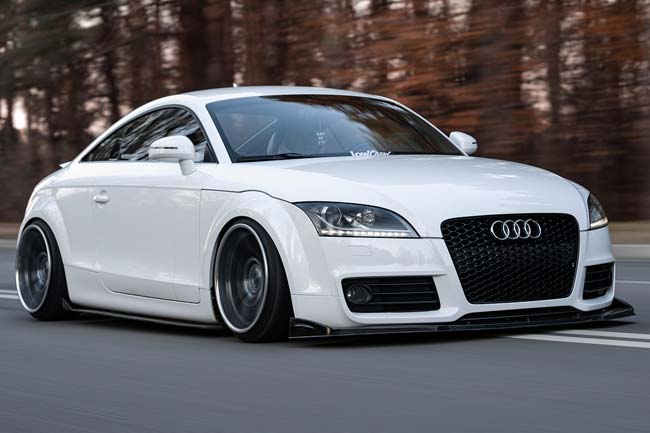
Premiums are partly determined by claims history for that specific vehicle. Sports cars, luxury models, and vehicles with expensive parts tend to have higher rates due to repair costs and accident statistics.
Trim Level and Features
Upgraded trims with advanced safety or entertainment features may increase repair costs, leading to higher premiums. Conversely, some safety features, like airbags or collision avoidance systems, may qualify you for discounts.
Vehicle Safety
Cars with excellent safety records often cost less to insure. However, expensive safety technology can raise repair costs and subsequently your premiums.